Inside OutCreative Reflections on Art by Justice Impacted Artists

Content note

This exhibition does not contain any graphic images, but it does draw on art created by people with lived experience of incarceration. While their art has been reworked, in parts it reflects on difficult childhood experiences and aspects of incarceration, which may be confronting for those with lived experience of either.

We encourage you to enter and take in the exhibition at your own pace. Take breaks whenever you need to, step outside if that helps, and know it's okay to come back later — or to stop at any point. Be kind to yourself.

09–13 September 2026

Free entryAllow 10–15 minutes

9 September5pm–8pmOpening starts at 6pm
10 September12pm–6pm
11 September12pm–6pm
12 September12pm–5pm
13 September12pm–5pm
Room D106 (The Black Box), Block DUNSW Art & Design, Paddington

A short self-guided immersive experience

Inside Out is an immersive environment brought to life through 2D and 3D animation, illustration and sound, created by five UNSW Art & Design students — Xinyue Zhou, Julia Wong, Joshua Chen, Yuxuan Yang and Holiday Wang — under the mentorship of Dr Patricia Morgan.

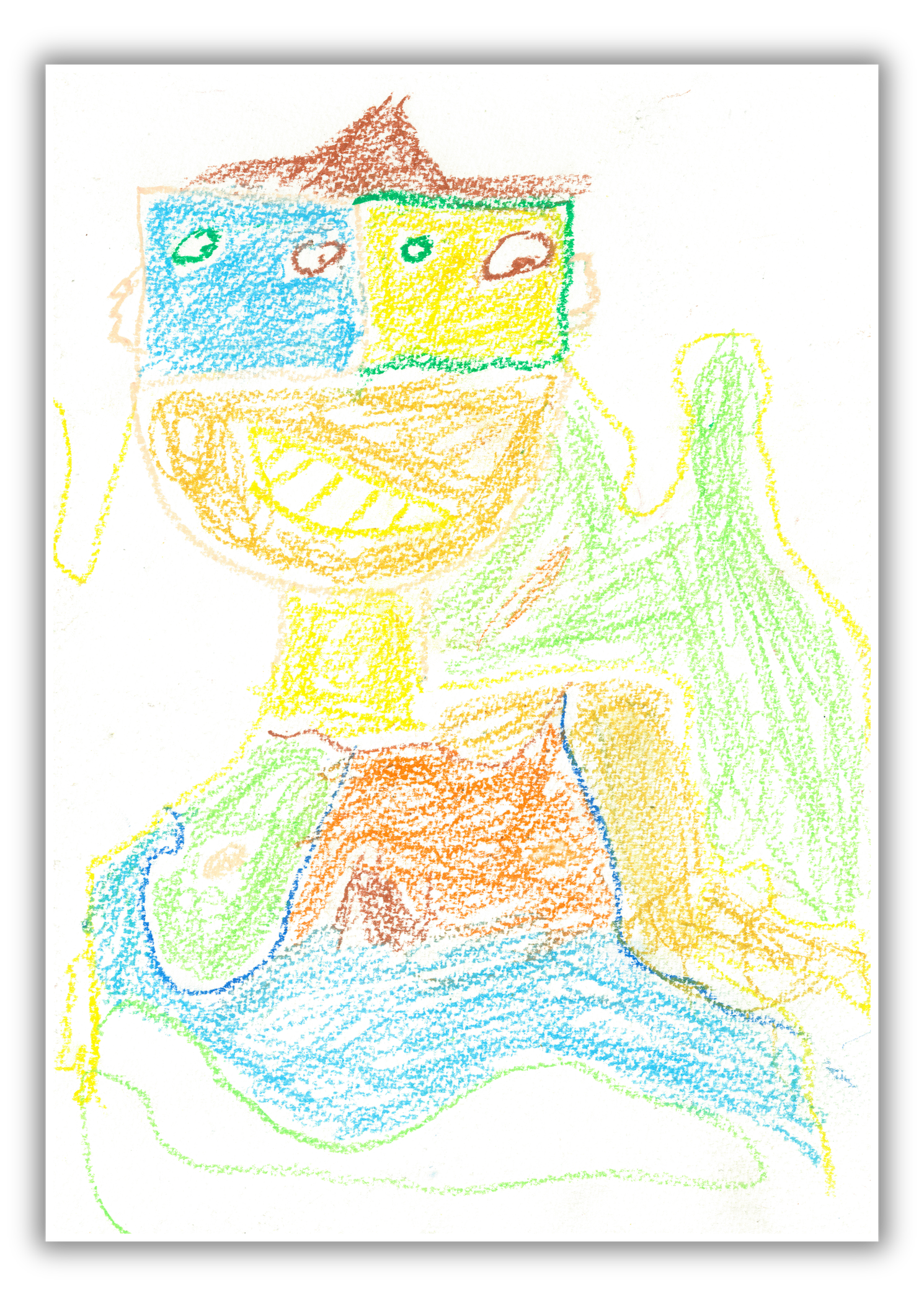
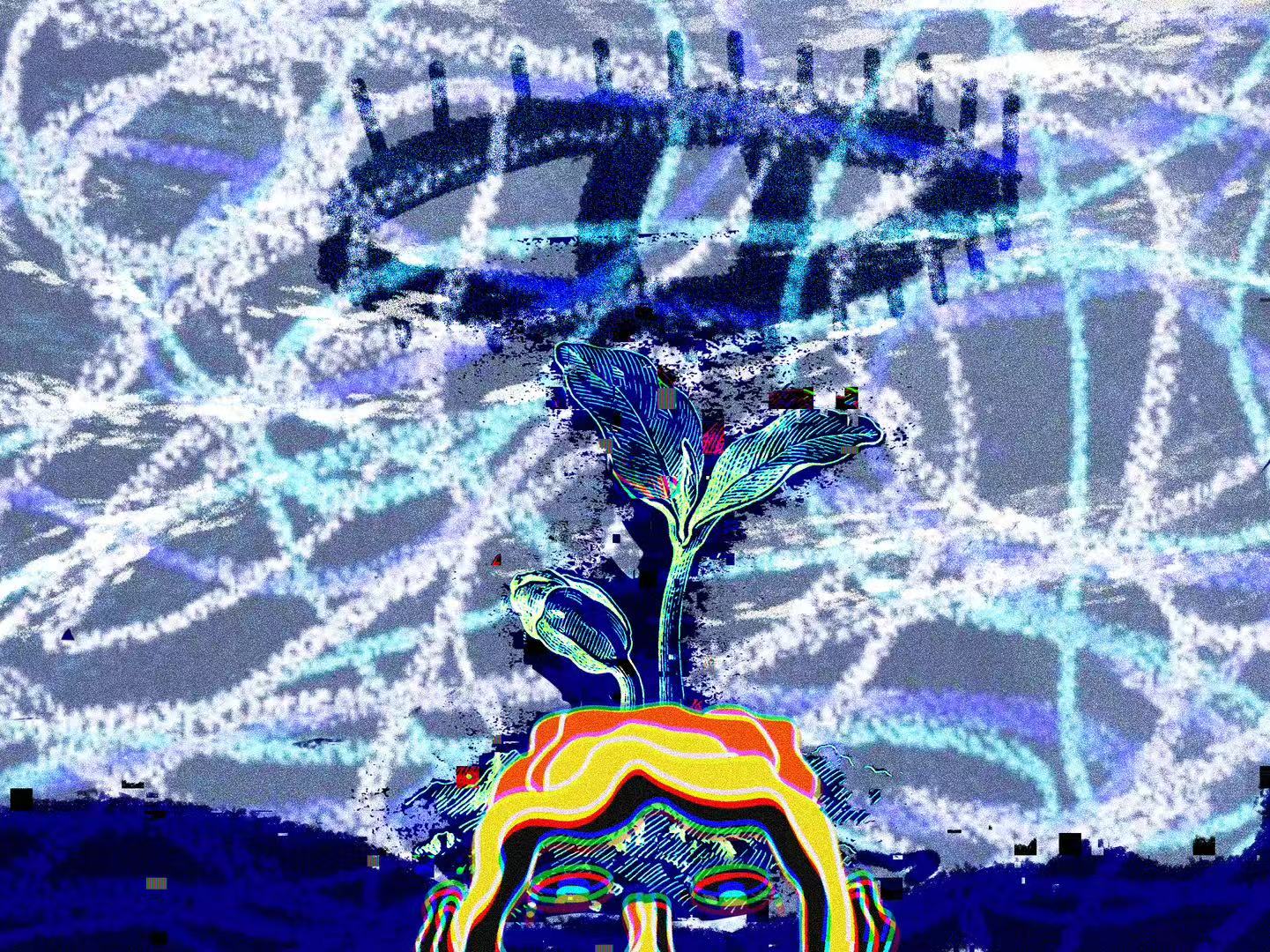
The students were guided through a series of prompts, starting with the reworking of art in the Drawing Free exhibition, created by untrained artists with lived experience of incarceration. The students used their art training to rework the original imagery while keeping it recognisable, then drew on surrealism and dream states to build a non-narrative world. They inhabited this world with characters created by transforming the original artists' self-portraits into mythical beings, combining the work using 2D and 3D animation to create the immersive environment.

Inside Out aims to raise awareness of the lived realities and harms of incarceration, through the re-presentation of people with lived experience of incarceration. These harms include dehumanising practices in prison, starting with the stripping of individual identity (Sanders, 2024). We hope this creative re-presentation of Australians who have experienced incarceration helps you really meet the nine Drawing Free artists, and provides a deeper understanding of the ways jailing is failing all Australians (justicereforminitiative.org.au/jailingisfailing).

The “Inside Out” Immersive Environment exhibition

What follows are reworked self-portraits accompanied by “Drawing Free” artists’ quotes about themselves. Then you will find quotes from “Inside Out” artists about the way they reworked the original artists’ works. This reworking involved both choosing a mythical being to represent the original artists’ self-portraits and integrating other aspects of their artworks.

Immersion to Scale

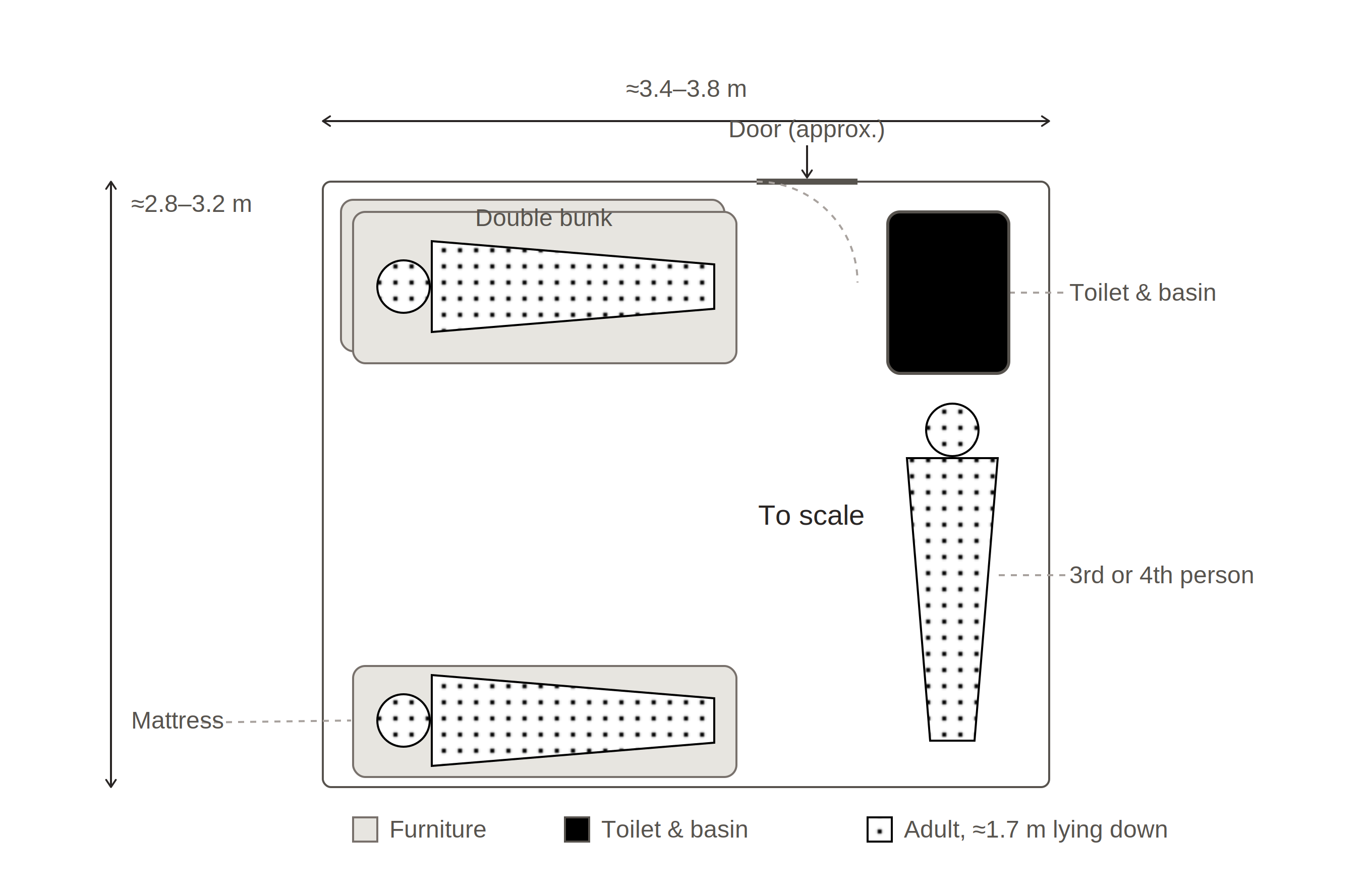
The immersive environment emulates the proportions of a two-out, a two-person cell in NSW prisons.

The immersive environment has been built to the approximate footprint of a "two-out," a two-person cell in the New South Wales prison system, so the space itself communicates something a description alone cannot. The dimensions used here are estimates rather than official figures, as Corrective Services NSW does not publish detailed cell floor plans, treating layouts as sensitive security information.

In Australian prisons a cell built for two people is not always occupied by only two. Research on prison overcrowding in Australia has found that cells are routinely used to hold more people than they were designed for, a practice called doubling or tripling up (Mackay, 2015). This raises serious human rights and health concerns. Additionally, Mackay (2015) argues that having to use the toilet in front of others meets the threshold of inhuman treatment under international law.

Another related issue is time spent inside prison cells. Because of staffing issues, people in prison can spend up to 23 out of 24 hours a day in what is called a 'lock-in.' Investigations into individual cases have found some people confined for 23 or even 24 hours at a stretch, sometimes for many days on end (Mackay, 2015).

Reference: Mackay, A. (2015). Overcrowding in Australian prisons: The human rights implications. Precedent, 128, 37.

Illustrative plan of a two-person cell, approximately 3.4–3.8 metres wide and 2.8–3.2 metres deep, with a double bunk, toilet and basin, and additional people shown on the floor.
Two-person cell diagram. Dimensions are estimates. View the full-size diagram (opens in a new tab).

The True Cost of Incarceration

Who is incarcerated

Prison in Australia falls hardest on people already facing disadvantage.

33%of people with lived experience of incarceration are First Nations Australians, despite being just 3.3% of the population (88% in the NT, 43% in WA).

  • Mental illness: over 50% of adults entering prison suffer mental ill health, compared with 22% in the general population.
  • Disability: 39% in prison, compared with 18 to 21% in the general population.
  • Many people in prison face overlapping disadvantage, including trauma, homelessness, and addiction (Justice Reform Initiative, 2025a).
  • The age of criminal responsibility in many Australian states is 10. Children as young as 10 can be detained in prison-like situations. Around 80% of children in detention are on remand, meaning they have not been sentenced.
  • First Nations children make up 61 to 65% of children in detention nationally (Justice Reform Initiative, 2025a, 2025b).

Prison doesn't make the community safer

Imprisonment does little to reduce reoffending.

  • 61% of people in prison have been there before.
  • 43% of people released in 2022 to 2023 returned within two years.
  • Prison is traumatic and highly stigmatising, and very few rehabilitation or reintegration programs exist inside or after release.
  • People leave prison carrying that trauma and stigma, often with little support to find housing, employment, or stable relationships.
  • High reoffending rates reflect a failure of the system, not a failure of the individuals in it.

$7.3Bspent on prisons in Australia every year, including $1.1 billion on youth detention (Justice Reform Initiative, 2025a).

The prison industrial complex

  • “Prison industrial complex” describes the overlapping interests of government and private industry in expanding surveillance, policing, and imprisonment (Davis, 2003).
  • Includes private prison companies, contractors, and industries reliant on prison labour (Patten, 2022).
  • Prison labour in Victoria pays 80 cents to $1.12 an hour, compared to the national minimum wage of $24.95 an hour (Cartwright et al., 2022).
  • Companies profiting from this labour are often undisclosed, and an evaluation found the Commercial Prison Industries program itself falls short of real employment and educational value (Buchanan & Considine, 2007; Sadler, 2022, February 10).
  • The Victorian Government made $38 million in 2020 to 21 from prison labour contracts, while paying people in prison as little as 80 cents an hour (Sadler, 2022, October 5).
  • Is prison a broken system, or one working exactly as designed, to “control, cage, and disappear specific segments of the population”? (Herzing, 2014, p. 194)

What has been shown to work

There are proven alternatives to imprisonment.

70% → 20%the drop in reoffending achieved by Norway's rehabilitation-focused, humane prison model.

  • Real alternatives, including housing, education, treatment, and employment support, cost less and are more effective at reducing reoffending, but are underfunded.
  • Community led, pre and post release programs in Australia are shown to reduce reoffending, but remain underfunded (Justice Reform Initiative, 2025a).
References for “The True Cost of Incarceration”
  1. Buchanan, J., & Considine, G. (2007). From labour to work: Evaluation of and options for Victoria's prison industries. University of Sydney, for the Department of Justice, Corrections Victoria.
  2. Cartwright, T., Gallagher, J., Smith, G., & Hilton, K. (2022). Safer prisons, safer people, safer communities: Final report of the Cultural Review of the Adult Custodial Corrections System. Department of Justice and Community Safety.
  3. Davis, A. Y. (2003). Are prisons obsolete? Seven Stories Press.
  4. Herzing, R. (2014). Commentary: “Tweaking Armageddon”: The potential and limits of conditions of confinement campaigns. Social Justice, 41(3), 190–196.
  5. Justice Reform Initiative. (2025a). Adult imprisonment in Australia 2024: An overview. justicereforminitiative.org.au
  6. Justice Reform Initiative. (2025b). Children's imprisonment in Australia 2024: An overview of youth detention. justicereforminitiative.org.au
  7. Patten, F. (2022, January 3). Which companies profit off prison labour? The answer is, we don't know. fionapatten.com.au
  8. Sadler, D. (2022, February 10). 'Slave labour': The for profit business of prison work. The Justice Map. thejusticemap.substack.com
  9. Sadler, D. (2022, October 5). Victoria makes $38m annually from prison labour. The Justice Map. thejusticemap.substack.com
  10. Sanders, E. (2024, December 2). Advocacy spotlight: The Humanization Project. Prison Policy Initiative. prisonpolicy.org

The Team

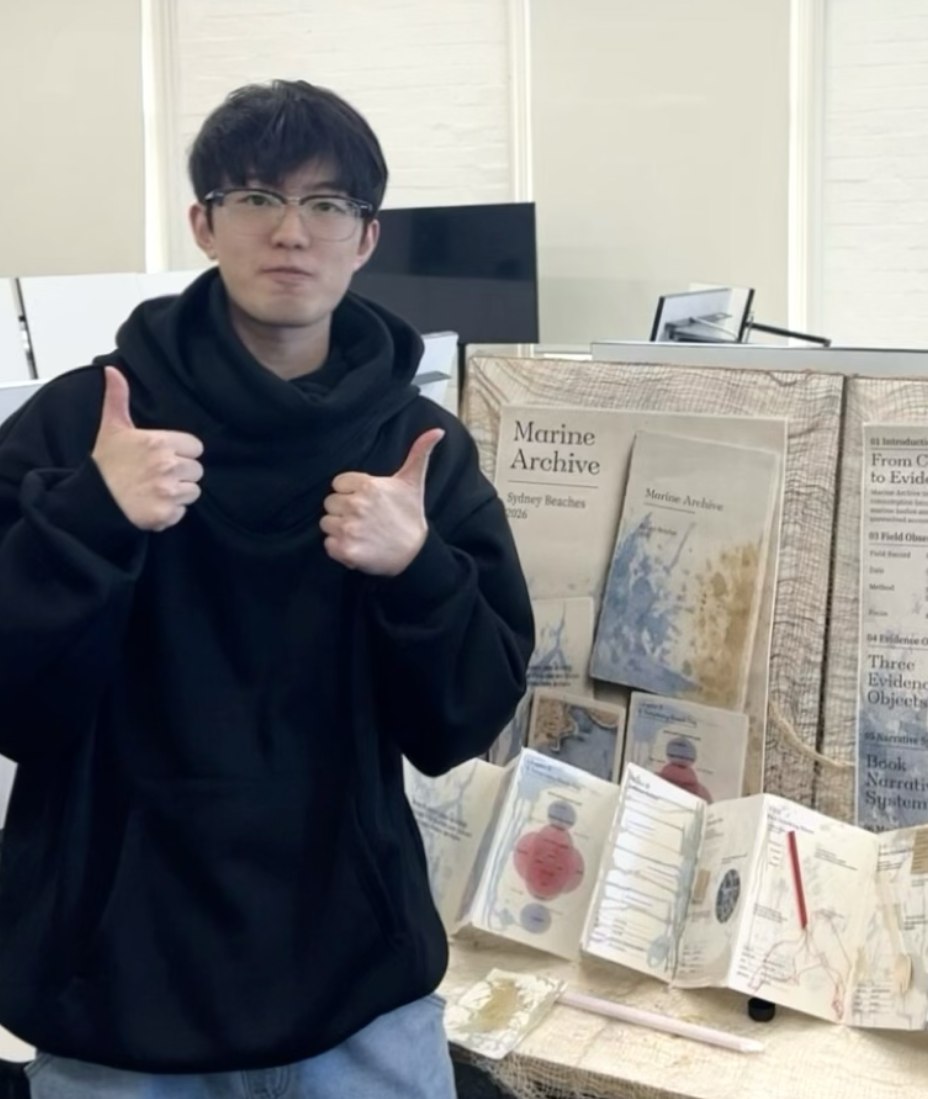
Portrait of Julia Ngo Kiu Wong.Julia Ngo Kiu Wong 黃傲蕎Illustration, 3-Dimensional animation, and video editing

“I am a 3D artist working across animation, visualization and digital world-building, currently studying a Bachelor of Fine Arts majoring in Animation and 3D Visualization. My practice explores how 3D environments can communicate emotions, experiences and personal narratives, combining digital processes with traditional and hand-drawn imagery.

This project let me apply my practice in a collaborative context, building 3D backgrounds for the Childhood and Freedom sections. The raw artworks made by people with lived carceral experiences, fragmented roots, heavy cell doors, shifting colour, revealed real emotional depth, letting me feel their past and their hope for the future. Our role wasn't to replace their voices but to amplify them through an elevated digital medium.

I focused on world-building across Childhood, Imprisonment and Freedom, using a surreal underwater landscape: deep ocean pressure for the claustrophobia of surveillance, floating islands and sunlit horizons for the pursuit of freedom. A key part of the process was fusing 2D hand-drawn self-portraits with mythological figures like Prometheus, the Phoenix and Medusa into these 3D worlds, using After Effects to turn these personal stories into a layered visual journey.”

Julia Ngo Kiu Wong 黃傲蕎, Illustration, 3-Dimensional animation, and video editing

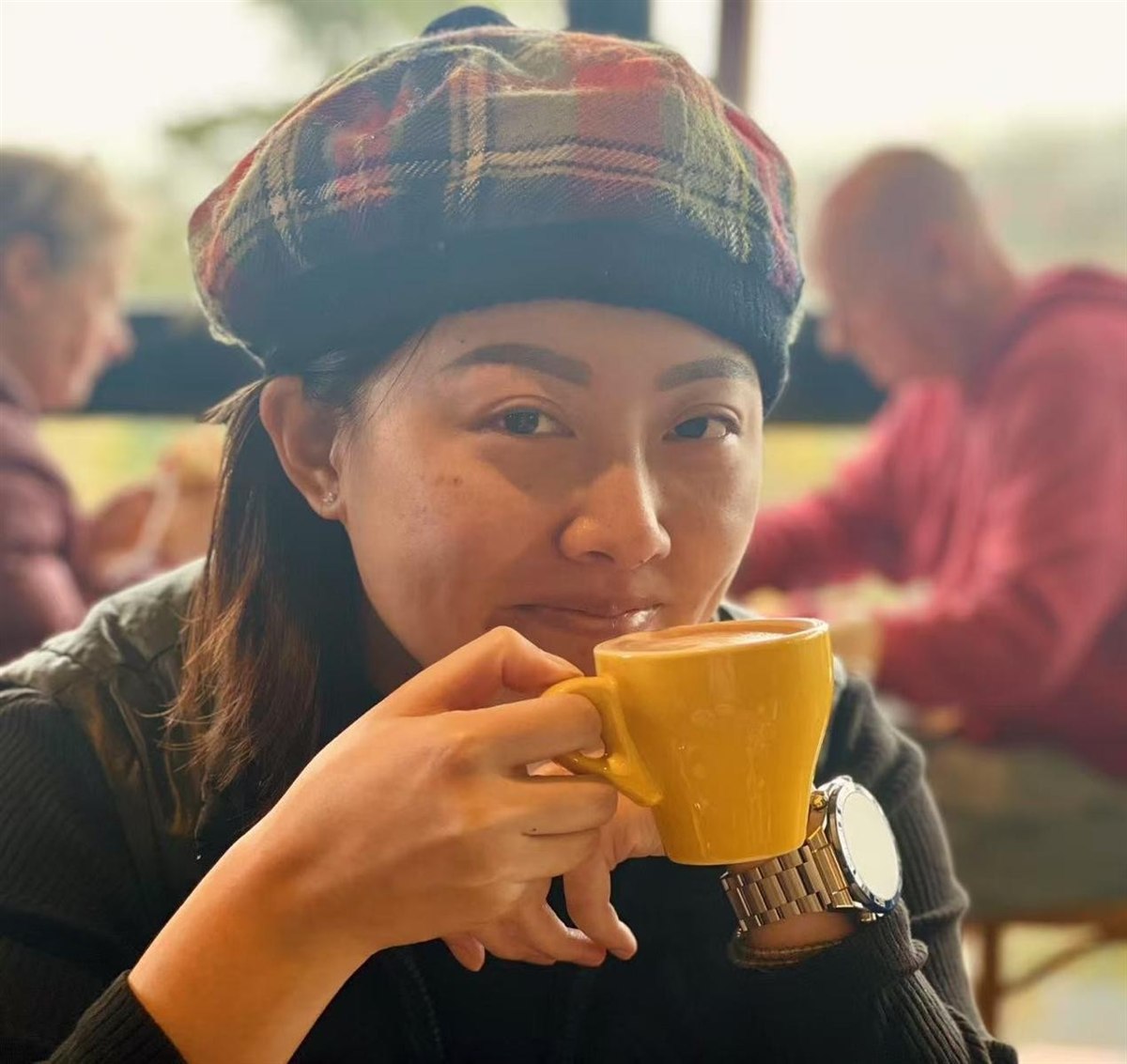
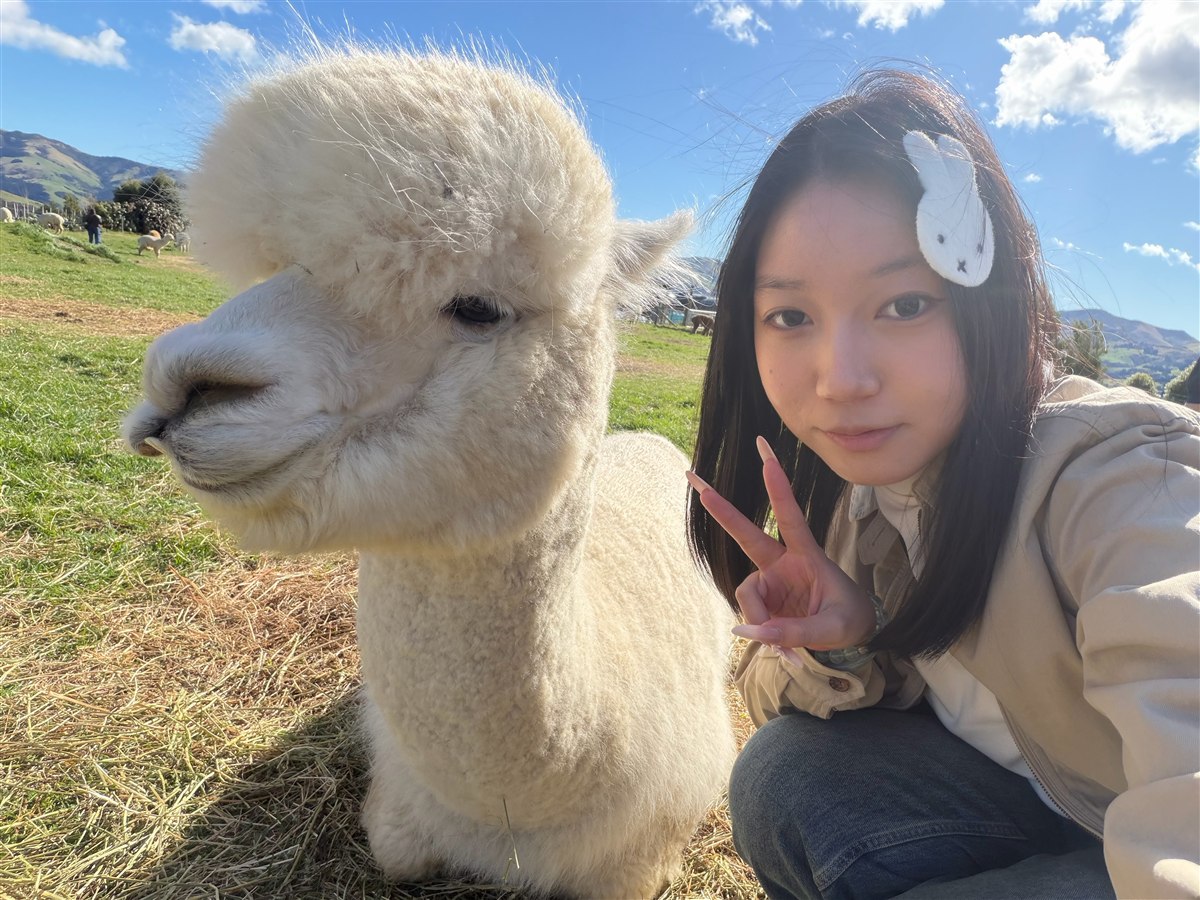
Portrait of Xinyue Zhou.Xinyue Zhou 周炘玥Illustration and 2-Dimensional animation

“I am currently studying a Bachelor of Animation at UNSW, with a particular interest in illustration and photography. I enjoy using vivid, expressive colour to explore mood and emotion, and photography inspires me to notice light, composition and perspective. I hope to keep developing my own visual style through illustration, animation and photography.

My work focused on illustration and 2D animation. With my mentor, I divided the visual narrative into childhood, incarceration and freedom, drawing on the nine artists' stories: open and innocent for childhood, darker and enclosed for incarceration, reflecting isolation and struggles with identity rather than just physical confinement. I connected mythological figures to their stories, the werewolf for uncertainty, Icarus for the pursuit of freedom, translating experience into visual language rather than recreating it directly. Butterflies move between worlds in the freedom stage, symbolising transformation and the gap between physical and psychological freedom. Working with these artworks made me think more deeply about the people behind them, that someone shouldn't be defined only by the label "prisoner."”

Xinyue Zhou 周炘玥, Illustration and 2-Dimensional animation

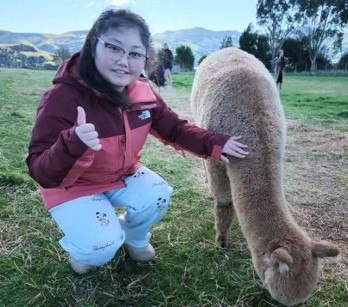
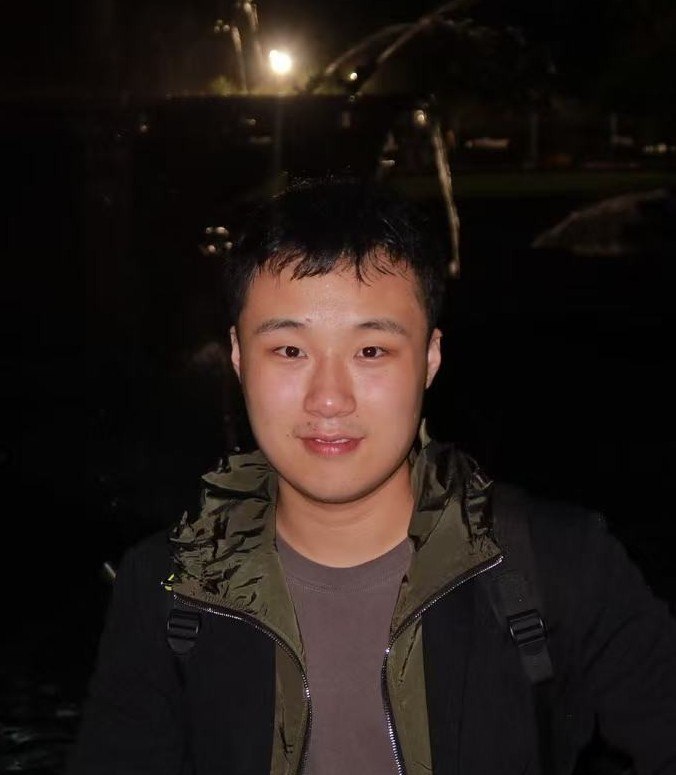
Portrait of Joshua Chen.Joshua Chen 陈奕克3-D Visuals and Motion Design

“I am a visual designer focusing on 3D visuals and motion design, with an interest in using space, materials and movement to express emotions and abstract ideas. In this project, I mainly worked on the 3D backgrounds and motion design for the immersive environment. I used visual elements such as water, chains, prison bars, eyes, fragmentation and floating movement to explore ideas of control, surveillance, trauma and freedom.

When I first encountered the artworks from Drawing Free, I felt some distance from the artists' experiences. However, as I learned more about their stories, I began to understand that an experience of incarceration does not define a person. This project also taught me that design is not about making their stories look more polished, but about respecting and extending the visual language they have already created, and helping audiences see their pain, struggles, strength and hope as whole people.”

Joshua Chen 陈奕克, 3-D Visuals and Motion Design

Portrait of Yuxuan Yang.Yuxuan Yang 杨瑜萱Illustration, 2-D animation and soundscape

“I am a media artist working primarily with 2D animation and sound design. My practice explores how movement, sound and visual storytelling can communicate emotion and personal experience. As an artist, I aim to create work that builds emotional connection and empathy while remaining sensitive to the people and stories being represented.

My work for "Inside Out" focused on sound design and 2D animation. When I first encountered the Drawing Free artworks, made by people with lived experience of incarceration, I felt a mixture of sadness, empathy and respect, especially learning the individual stories behind the images. I began seeing the people and emotions behind incarceration, not just the theme. For the sound, I created individual soundscapes for the nine characters, using environmental, metallic and institutional textures to distinguish childhood, incarceration and freedom, giving each character an emotional identity. For animation, I focused on the incarceration section, with falling, struggling and pulling against restraints, aiming to communicate restriction rather than decoration. Working with real people's stories gave me a stronger sense of responsibility. I wanted to preserve individuality and resilience rather than sensationalise imprisonment, and to think harder about how audiovisual storytelling can build empathy while respecting the people it represents.”

Yuxuan Yang 杨瑜萱, Illustration, 2-D animation and soundscape

Portrait of Holiday Wang.Holiday Wang 王腾宇Industrial Design, visual communication and website design

“As a multidisciplinary designer, I see my creative practice as a form of listening. I am interested in translating people's emotions, memories and often-unspoken experiences into visual narratives while respecting the people they represent. I aim to create work that encourages audiences to slow down, question assumptions and approach unfamiliar experiences with greater empathy.

For Inside Out I created video for the immersive environment drawing on the animation that other members of the team created across the three parts of the abstract story the animation tells: Childhood, Incarceration and Freedom. Childhood uses softer, more open imagery to evoke memory and vulnerability; Incarceration becomes darker and more constrained through fragmentation, visual pressure and restricted movement; Freedom introduces light, open pathways and drifting forms while recognising that psychological freedom may not arrive immediately after physical release. My intention was not to speak for the artists or dramatize incarceration, but to support their existing visual language and help audiences engage more closely with the emotions in their artists' original works.”

Holiday Wang, Tengyu Wang 王腾宇, Industrial Design, visual communication and website design

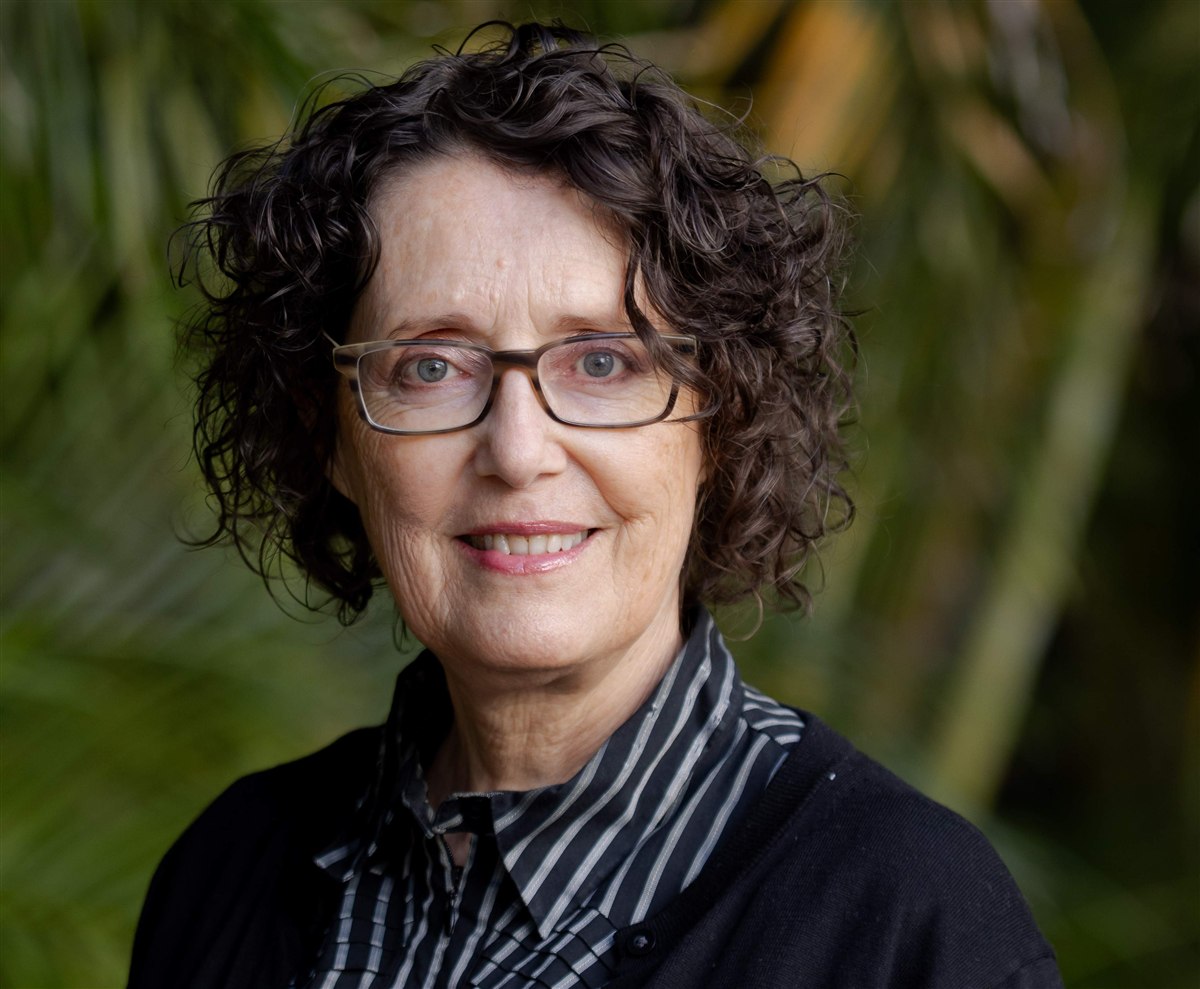
Portrait of Dr Patricia Morgan.Dr Patricia MorganMentor, Senior Research Associate, Justice Health Program, School of Population Health, UNSW Sydney

“Dr Patricia Morgan is a Senior Research Associate in the Justice Health Program at the School of Population Health, UNSW, Sydney. As an interdisciplinary scholar she works across the arts, philosophy, criminology and justice health, specialising in phenomenological and arts-based research methods. Her work examines how creative and contemplative practice can bridge pre-conceptual and cognitive modes of knowing, enabling participants to explore and articulate pre-conceptual and somatic experience.

In her academic work Patricia draws from her early arts practice, where she used body-based media as a means of exploring somatic and experiential forms of knowing. In this work Patricia engages the capacity of creative and contemplative practice to explore aspects of subjectivity that are difficult to articulate verbally. She works with research participants to explore the use of image, symbol, and metaphor to give form to subtle and complex aspects of lived subjectivity.

Her research frequently incorporates arts-based knowledge translation through virtual exhibitions developed with research participants, such as the "Expressions of Abuse and Agency" project (drawingfree.com.au) about lived experience of incarceration. For the Inside Out exhibition Patricia mentored UNSW art and design students, working collaboratively to reimagine art works in the Drawing Free exhibition.”

Dr Patricia Morgan, Mentor, Senior Research Associate, Justice Health Program, School of Population Health, UNSW Sydney

Acknowledgements

We wish to thank the nine individuals who artworks and stories from the Drawing Free virtual exhibition ground the “Inside Out” exhibition. This exhibition would not have been possible without their generosity in so openly sharing their experiences of imprisonment. We acknowledge their creativity and courage. We would also like to thank the “Inside Out” team members for giving so generously of their time and artistry.

Many thanks to:

  • Uncle Dave Bell, Wiradjuri elder, community leader, and activist
  • Professor Tony Butler, Head of the Justice Health Program, UNSW.
  • Professor James Wood, Head of the School of Population Health, UNSW.
  • Ms Anil Singh-Prakash, School Manager, School of Population Health, UNSW.
  • Mr Ant Banister, Multi-media specialist, Art and Design, UNSW.
  • Sarah Cashman, Multi-media, Art and Design.
  • Mr Bevan Argent, Lived Experience Advisor and Artist.
  • Dr Mindy Sotiri, Executive Director of the Justice Reform Initiative
  • Ms Georgie Murch, Executive and Operations Support Coordinator, the Justice Reform Initiative.
  • Clair Hooker, Associate Prof Claire Hooker, Director Academic Career Development, the University of Sydney, President of the Arts Health Network NSW/ACT, and everyone at the Arts Health Network.
  • Dr Maria Giannacopoulos, Associate Professor, Criminology, Director, Centre for Criminology Law and Justice
  • Associate Professor Vicki Sentas, School of Law Society and Criminology, UNSW.
  • Professor Justine Nolan, Director of the Australian Human Rights Institute, UNSW.
  • Jade Muratore and Steven Shears, Art and Design, Admin Support, who helped with the logistics of the exhibition.
  • Kefan Wu, Art and Design, UNSW, Sydney, who gave of his time to video document the exhibition.

Source Exhibition

Drawing Free

The School of Art and Design and the Justice Health Program, the School of Population Health, UNSW, Sydney.

Getting here

Room D106, The Black Box
Block D, UNSW Art & Design, Paddington

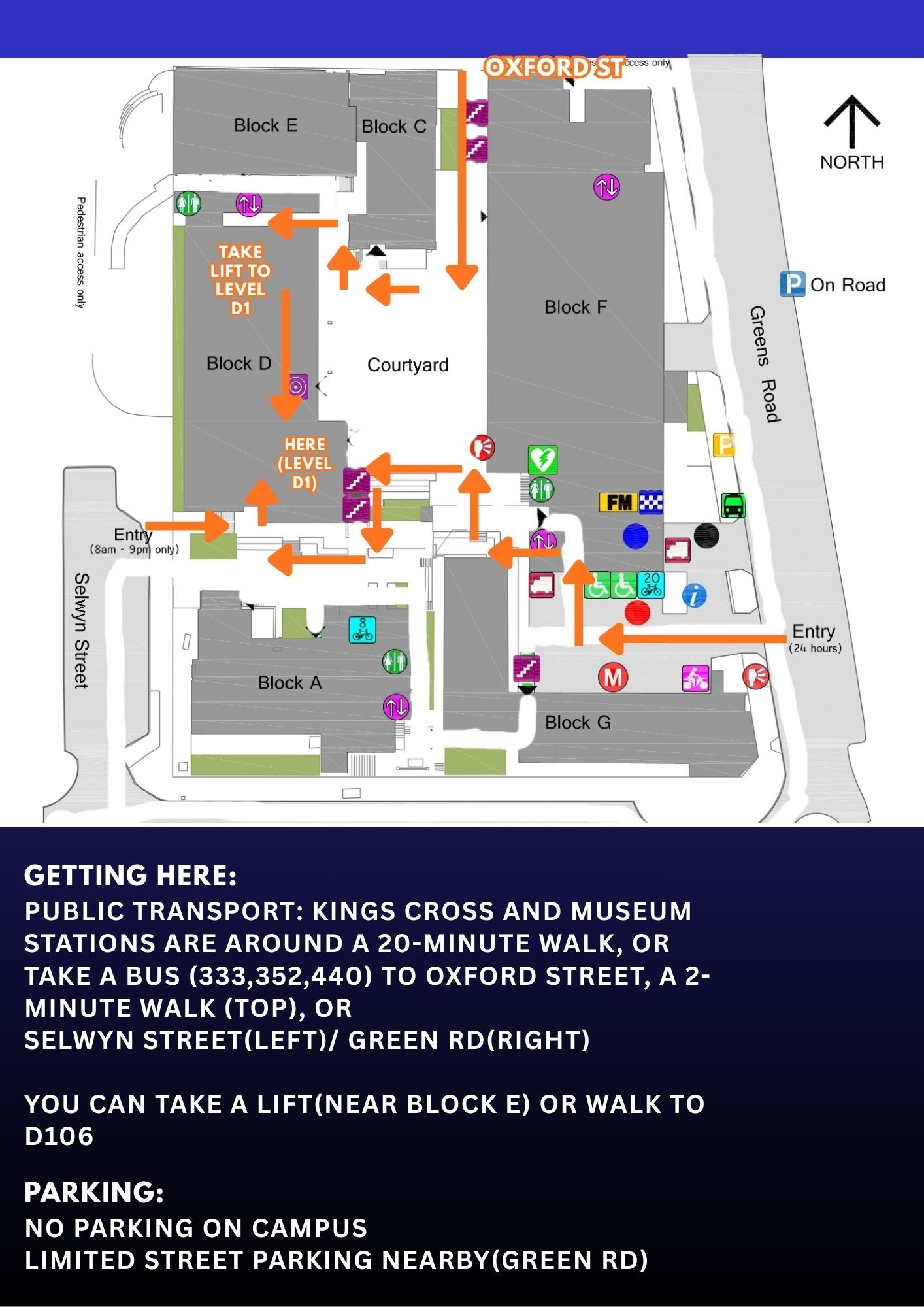
Public transport: Kings Cross and Museum stations are around a 20-minute walk, or take a bus (333, 352, 440) to Oxford Street, a 2-minute walk, or enter via Selwyn Street or Greens Road. You can take a lift near Block E or walk to D106.

Parking: No parking on campus. Limited street parking nearby on Greens Road.

UNSW Art and Design campus access map showing routes from Oxford Street, Greens Road and Selwyn Street to Room D106 in Block D.
Access routes to Room D106.

What you can do to support prison reform

Explore ways to speak up for change and support people affected by incarceration.

Select a heading to explore. You can open more than one at a time. External resources open in a new tab.

Viable Alternatives to Incarceration

Explore the Justice Reform Initiative’s reports on alternatives to incarceration and approaches that support people in the community.

Read the JRI reports (opens in a new tab)